Sample 1

Transcript
我今天不想喝水,我想喝茶。
wǒ jīn tiān bù xiǎng hē shuǐ , wǒ xiǎng hē chá 。
I do not want water today, I want tea.
Show the answer
✓ True
Real listening questions from the HSK 1 to HSK 9 papers - 80 of them - each with its answer folded underneath. Every question comes from the bank the practice runs on, in the format of the real paper.
Each question prints a single picture. You hear a short phrase or sentence — at the lowest level often just two or three words — and decide whether it describes the picture. You mark ✓ if it matches and ✗ if it does not.
听录音,判断对错。
Listen and decide whether the picture matches what you hear.
我今天不想喝水,我想喝茶。
wǒ jīn tiān bù xiǎng hē shuǐ , wǒ xiǎng hē chá 。
I do not want water today, I want tea.
✓ True

我在看书,这本书很好看。
wǒ zài kàn shū , zhè běn shū hěn hǎo kàn 。
I am reading; this book is good.
✓ True
Three pictures are printed for each question, labelled A, B and C. You hear one sentence and choose the picture it describes.
听录音,选出正确的图片。
Listen and choose the picture that matches.


我很喜欢吃米饭,每天都吃。
wǒ hěn xǐ huān chī mǐ fàn , měi tiān dōu chī 。
I like rice and eat it every day.
Picture C



他在写字,写得很好看。
tā zài xiě zì , xiě dé hěn hǎo kàn 。
He is writing, and writes beautifully.
Picture A
One set of pictures, labelled A to F, serves a group of five short conversations. For each conversation you choose the picture that goes with it. There are more pictures than conversations, so you cannot finish by elimination alone.
听录音,为每段对话选择相应的图片。
Listen and match each conversation with a picture.




女:喂,你现在在哪儿呢? 男:我在家,你有什么事吗?
nǚ : wèi , nǐ xiàn zài zài nǎ ér ne ? nán : wǒ zài jiā , nǐ yǒu shén me shì ma ?
W: Where are you? M: At home, what is it?
Picture E
男:外面天气怎么样? 女:下雨了,你带伞去吧。
nán : wài miàn tiān qì zěn me yàng ? nǚ : xià yǔ le , nǐ dài sǎn qù ba 。
M: How is the weather? W: Raining, take an umbrella.
Picture A
女:你想吃点儿什么? 男:我想吃一个苹果,谢谢。
nǚ : nǐ xiǎng chī diǎn ér shén me ? nán : wǒ xiǎng chī yí gè píng guǒ , xiè xiè 。
W: What would you like? M: An apple, thanks.
Picture F
男:我今天有点儿不太好。 女:那你去医院看看吧。
nán : wǒ jīn tiān yǒu diǎn ér bù tài hǎo 。 nǚ : nà nǐ qù yī yuàn kàn kàn ba 。
M: I am not well today. W: Go and see a doctor.
Picture B
女:明天我们怎么去? 男:我开车去,早上八点来接你。
nǚ : míng tiān wǒ men zěn me qù ? nán : wǒ kāi chē qù , zǎo shàng bā diǎn lái jiē nǐ 。
W: How do we go? M: I will drive, pick you up at eight.
Picture D
You hear a short conversation between a man and a woman, then a question read aloud — 问:…. The options are printed on the paper and you choose the one that answers it.
听录音,选出正确的答案。
Listen and choose the correct answer.
我的女儿今年五岁了,她哥哥八岁。 问:他的女儿今年几岁?
wǒ de nǚ ér jīn nián wǔ suì le , tā gē gē bā suì 。 wèn : tā de nǚ ér jīn nián jǐ suì ?
The daughter is five; her brother is eight.
C 五岁 (wǔ suì)
我住在北京,我很喜欢这儿,我朋友住在上海。 问:他住在哪儿?
wǒ zhù zài běi jīng , wǒ hěn xǐ huān zhè ér , wǒ péng yǒu zhù zài shàng hǎi 。 wèn : tā zhù zài nǎ ér ?
He lives in Beijing; his friend in Shanghai.
B 北京 (běi jīng)
Each question prints a single picture. You hear a short phrase or sentence — at the lowest level often just two or three words — and decide whether it describes the picture. You mark ✓ if it matches and ✗ if it does not.
听录音,判断对错。
Listen and decide whether the picture matches what you hear.

他每天早上六点起床,起来以后先跑步。
tā měi tiān zǎo shàng liù diǎn qǐ chuáng , qǐ lái yǐ hòu xiān pǎo bù 。
He gets up at six and runs first.
✓ True

他在游泳,一个星期去三次。
tā zài yóu yǒng , yí gè xīng qī qù sān cì 。
He swims three times a week.
✓ True
One set of pictures, labelled A to F, serves a group of five short conversations. For each conversation you choose the picture that goes with it. There are more pictures than conversations, so you cannot finish by elimination alone.
听录音,为每段对话选择相应的图片。
Listen and match each conversation with a picture.



女:中午我们去哪儿吃饭? 男:去前面那家饭馆吧,他们的鱼做得不错。
nǚ : zhōng wǔ wǒ men qù nǎ ér chī fàn ? nán : qù qián miàn nà jiā fàn guǎn ba , tā men de yú zuò dé bù cuò 。
W: Where shall we eat? M: That restaurant, good fish.
Picture B
男:你怎么了?脸色不太好。 女:我有点儿不舒服,想去医院看看。
nán : nǐ zěn me le ? liǎn sè bù tài hǎo 。 nǚ : wǒ yǒu diǎn ér bù shū fú , xiǎng qù yī yuàn kàn kàn 。
M: You look unwell. W: I want to see a doctor.
Picture E
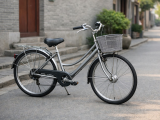
女:你每天怎么上班?坐车吗? 男:我骑自行车,二十分钟就到了。
nǚ : nǐ měi tiān zěn me shàng bān ? zuò chē ma ? nán : wǒ qí zì xíng chē , èr shí fēn zhōng jiù dào le 。
W: How do you commute? M: By bike, twenty minutes.
Picture D
男:外面天气怎么样? 女:又下雨了,你出去别忘了带伞。
nán : wài miàn tiān qì zěn me yàng ? nǚ : yòu xià yǔ le , nǐ chū qù bié wàng le dài sǎn 。
M: How is it outside? W: Raining, take an umbrella.
Picture F
女:喂,你现在在哪儿呢? 男:我在路上,再有十分钟就到。
nǚ : wèi , nǐ xiàn zài zài nǎ ér ne ? nán : wǒ zài lù shàng , zài yǒu shí fēn zhōng jiù dào 。
W: Where are you? M: On the way, ten minutes.
Picture A
You hear a short conversation between a man and a woman, then a question read aloud — 问:…. The options are printed on the paper and you choose the one that answers it.
听录音,选出正确的答案。
Listen and choose the correct answer.
男:你昨天为什么没来上课? 女:我生病了,在医院打了一天针,今天才好点儿。 问:女的昨天做什么了?
nán : nǐ zuó tiān wèi shén me méi lái shàng kè ? nǚ : wǒ shēng bìng le , zài yī yuàn dǎ le yī tiān zhēn , jīn tiān cái hǎo diǎn ér 。 wèn : nǚ de zuó tiān zuò shén me le ?
She was ill and spent the day at hospital.
C 去医院了 (qù yī yuàn le)
男:请问,火车站怎么走?远不远? 女:往前走,第二个路口向右,走十分钟就到。 问:火车站在哪儿?
nán : qǐng wèn , huǒ chē zhàn zěn me zǒu ? yuǎn bù yuǎn ? nǚ : wǎng qián zǒu , dì èr gè lù kǒu xiàng yòu , zǒu shí fēn zhōng jiù dào 。 wèn : huǒ chē zhàn zài nǎ ér ?
Second junction, turn right, ten minutes.
A 第二个路口向右 (dì èr gè lù kǒu xiàng yòu)
You hear a short conversation between a man and a woman, then a question read aloud — 问:…. The options are printed on the paper and you choose the one that answers it.
听录音,选出正确的答案。
Listen and choose the correct answer.
女:你好,请问这儿还有房间吗? 男:有的,您要住几天? 女:三天,我后天下午就走了。 男:好的,请给我看一下您的护照。 问:他们最可能在哪儿?
nǚ : nǐ hǎo , qǐng wèn zhè ér hái yǒu fáng jiān ma ? nán : yǒu de , nín yào zhù jǐ tiān ? nǚ : sān tiān , wǒ hòu tiān xià wǔ jiù zǒu le 。 nán : hǎo de , qǐng gěi wǒ kàn yī xià nín de hù zhào 。 wèn : tā men zuì kě néng zài nǎ ér ?
Booking a room, so a hotel.
B 宾馆 (bīn guǎn)
男:您好,我想买两张去上海的火车票。 女:您要哪天的?上午还是下午? 男:这个星期六上午的,越早越好。 女:好的,八点半有一趟,您看可以吗? 问:男的要买哪天的票?
nán : nín hǎo , wǒ xiǎng mǎi liǎng zhāng qù shàng hǎi de huǒ chē piào 。 nǚ : nín yào nǎ tiān de ? shàng wǔ hái shì xià wǔ ? nán : zhè ge xīng qī liù shàng wǔ de , yuè zǎo yuè hǎo 。 nǚ : hǎo de , bā diǎn bàn yǒu yī tàng , nín kàn kě yǐ ma ? wèn : nán de yào mǎi nǎ tiān de piào ?
He wants Saturday morning tickets.
A 星期六 (xīng qī liù)
One set of pictures, labelled A to F, serves a group of five short conversations. For each conversation you choose the picture that goes with it. There are more pictures than conversations, so you cannot finish by elimination alone.
听录音,为每段对话选择相应的图片。
Listen and match each conversation with a picture.



女:你的电脑又关了?昨天不是刚修好吗? 男:修是修了,可是用一会儿就发热,看来还得再送去。
nǚ : nǐ de diàn nǎo yòu guān le ? zuó tiān bú shì gāng xiū hǎo ma ? nán : xiū shì xiū le , kě shì yòng yī huì er jiù fā rè , kàn lái hái dé zài sòng qù 。
W: Your computer shut down again? M: It was fixed, but it overheats, it has to go back.
Picture C
男:你今天脸色不太好,是不是没休息好? 女:头从早上就一直疼,我下午请个假去医院看看。
nán : nǐ jīn tiān liǎn sè bù tài hǎo , shì bú shì méi xiū xī hǎo ? nǚ : tóu cóng zǎo shàng jiù yì zhí téng , wǒ xià wǔ qǐng gè jiǎ qù yī yuàn kàn kàn 。
M: You look unwell. W: My head has ached since morning, I will take leave and see a doctor.
Picture D
女:东西都放进去了吗?别忘了带上那件厚衣服。 男:都装好了,就是有点儿重,明天早上六点就得出发。
nǚ : dōng xī dōu fàng jìn qù le ma ? bié wàng le dài shàng nà jiàn hòu yī fú 。 nán : dōu zhuāng hǎo le , jiù shì yǒu diǎn ér zhòng , míng tiān zǎo shàng liù diǎn jiù dé chū fā 。
W: Is everything packed? M: All done, a bit heavy, we leave at six tomorrow.
Picture A
男:外面下得越来越大了,你带伞了没有? 女:没带,早上出门的时候天还很好,我们再等一会儿吧。
nán : wài miàn xià dé yuè lái yuè dà le , nǐ dài sǎn le méi yǒu ? nǚ : méi dài , zǎo shàng chū mén de shí hòu tiān hái hěn hǎo , wǒ men zài děng yī huì er ba 。
M: It is raining harder, did you bring an umbrella? W: No, it was clear this morning.
Picture E
女:这家店的鱼做得真不错,就是等的时间长了点儿。 男:是啊,下次我们早点儿来,再叫上几个同事。
nǚ : zhè jiā diàn de yú zuò dé zhēn bù cuò , jiù shì děng de shí jiān zhǎng le diǎn ér 。 nán : shì a , xià cì wǒ men zǎo diǎn ér lái , zài jiào shàng jǐ gè tóng shì 。
W: The fish here is great, though the wait was long. M: Next time we come earlier.
Picture B
A statement is printed on the paper, marked ★. You hear a few sentences — someone talking about their plans, a small story, an explanation — and decide whether the printed statement agrees with what was said.
听录音,判断下面的句子是否正确。
Listen and decide whether the printed sentence is correct.
★ 他已经买好机票了。
★ tā yǐ jīng mǎi hǎo jī piào le 。
我打算下个月和几个同学一起去南方旅游,机票已经买好了,就是宾馆还没定。听说那边这个季节常下雨,我准备带把伞。
wǒ dǎ suàn xià gè yuè hé jǐ gè tóng xué yì qǐ qù nán fāng lǚ yóu , jī piào yǐ jīng mǎi hǎo le , jiù shì bīn guǎn hái méi dìng 。 tīng shuō nà biān zhè ge jì jié cháng xià yǔ , wǒ zhǔn bèi dài bǎ sǎn 。
The flight is booked; the hotel is not.
✓ True
★ 新公司离他家更远。
★ xīn gōng sī lí tā jiā gèng yuǎn 。
我们公司下个月要搬到新地方去,离地铁站近一些,但是离我家远了,我可能要早起半个小时。
wǒ men gōng sī xià gè yuè yào bān dào xīn dì fāng qù , lí dì tiě zhàn jìn yī xiē , dàn shì lí wǒ jiā yuǎn le , wǒ kě néng yào zǎo qǐ bàn gè xiǎo shí 。
The new office is further from his home.
✓ True
You hear a short conversation between a man and a woman, then a question read aloud — 问:…. The options are printed on the paper and you choose the one that answers it.
听录音,选出正确的答案。
Listen and choose the correct answer.
男:你的照相机能借我用两天吗?我周末要去爬山。 女:可以,不过要小心点儿,那是我姐姐去年送我的。 问:照相机是谁的?
nán : nǐ de zhào xiàng jī néng jiè wǒ yòng liǎng tiān ma ? wǒ zhōu mò yào qù pá shān 。 nǚ : kě yǐ , bù guò yào xiǎo xīn diǎn ér , nà shì wǒ jiě jiě qù nián sòng wǒ de 。 wèn : zhào xiàng jī shì shéi de ?
It was a gift to her, so it is hers.
C 女的的
男:你的自行车借我用一下行吗?我去趟邮局。 女:可以,就在楼下,不过那个车有点儿旧了。 问:男的要去哪儿?
nán : nǐ de zì xíng chē jiè wǒ yòng yī xià xíng ma ? wǒ qù tàng yóu jú 。 nǚ : kě yǐ , jiù zài lóu xià , bù guò nà ge chē yǒu diǎn ér jiù le 。 wèn : nán de yào qù nǎ ér ?
He is going to the post office.
B 邮局
You hear a short conversation between a man and a woman, then a question read aloud — 问:…. The options are printed on the paper and you choose the one that answers it.
听录音,选出正确的答案。
Listen and choose the correct answer.
男:我办公室的空调坏了,师傅说下午三点来修。可是我两点半要去机场接朋友。 女:那我帮你在办公室等着吧,钥匙你放在桌子上就行。 问:男的下午要做什么?
nán : wǒ bàn gōng shì de kōng tiáo huài le , shī fù shuō xià wǔ sān diǎn lái xiū 。 kě shì wǒ liǎng diǎn bàn yào qù jī chǎng jiē péng yǒu 。 nǚ : nà wǒ bāng nǐ zài bàn gōng shì děng zhe ba , yào shi nǐ fàng zài zhuō zi shàng jiù xíng 。 wèn : nán de xià wǔ yào zuò shén me ?
He is meeting a friend at the airport.
A 去机场接人
女:我下个月想去学游泳,可是又怕自己学不会。 男:没关系,我表哥就是教练,我让他教你,他很有经验。 问:男的打算怎么帮她?
nǚ : wǒ xià gè yuè xiǎng qù xué yóu yǒng , kě shì yòu pà zì jǐ xué bú huì 。 nán : méi guān xì , wǒ biǎo gē jiù shì jiào liàn , wǒ ràng tā jiào nǐ , tā hěn yǒu jīng yàn 。 wèn : nán de dǎ suàn zěn me bāng tā ?
His cousin is a coach and will teach her.
C 让表哥教她
A statement is printed on the paper, marked ★. You hear a few sentences — someone talking about their plans, a small story, an explanation — and decide whether the printed statement agrees with what was said.
听录音,判断下面的句子是否正确。
Listen and decide whether the printed sentence is correct.
★ 他要去面试。
★ tā yào qù miàn shì 。
为了准备下周的面试,他这几天一直在网上查这家公司的资料。
wèi le zhǔn bèi xià zhōu de miàn shì , tā zhè jǐ tiān yì zhí zài wǎng shàng chá zhè jiā gōng sī de zī liào 。
He is preparing for an interview next week.
✓ True
★ 现在去海边的人很少。
★ xiàn zài qù hǎi biān de rén hěn shǎo 。
这个季节去海边旅游的人特别多,我建议你提前订好房间。
zhè ge jì jié qù hǎi biān lǚ yóu de rén tè bié duō , wǒ jiàn yì nǐ tí qián dìng hǎo fáng jiān 。
Lots of people travel to the seaside this season.
✗ False
You hear a short conversation between a man and a woman, then a question read aloud — 问:…. The options are printed on the paper and you choose the one that answers it.
听录音,选出正确的答案。
Listen and choose the correct answer.
女:你怎么还不去休息? 男:这份报告明天上午要交,我再改一遍。 问:男的在做什么?
nǚ : nǐ zěn me hái bù qù xiū xī ? nán : zhè fèn bào gào míng tiān shàng wǔ yào jiāo , wǒ zài gǎi yī biàn 。 wèn : nán de zài zuò shén me ?
He is revising a report due tomorrow morning.
D 修改报告
男:听说你换工作了? 女:是啊,新公司离家近,走路十分钟就到。 问:女的为什么换工作?
nán : tīng shuō nǐ huàn gōng zuò le ? nǚ : shì a , xīn gōng sī lí jiā jìn , zǒu lù shí fēn zhōng jiù dào 。 wèn : nǚ de wèi shén me huàn gōng zuò ?
She changed jobs because the new one is a ten-minute walk away.
D 离家更近
You hear a longer piece — a short talk, a story, a report or a longer conversation — and answer several questions on it, choosing from printed options. The questions are read out after the passage.
听材料,回答下面的问题。
Listen to the passage and answer the questions.
很多人以为,只有大声读书才能记住内容。其实,研究发现,读完以后停下来想一想,效果比反复读更好。所以,与其把一篇文章读五遍,不如读两遍,然后合上书,试着把主要意思说出来。
hěn duō rén yǐ wéi , zhǐ yǒu dà shēng dú shū cái néng jì zhù nèi róng 。 qí shí , yán jiū fā xiàn , dú wán yǐ hòu tíng xià lái xiǎng yī xiǎng , xiào guǒ bǐ fǎn fù dú gèng hǎo 。 suǒ yǐ , yǔ qí bǎ yì piān wén zhāng dú wǔ biàn , bù rú dú liǎng biàn , rán hòu hé shàng shū , shì zhe bǎ zhǔ yào yì si shuō chū lái 。
Many think reading aloud is what makes things stick. Research suggests pausing to recall works better than rereading.
很多人认为怎样才能记住内容?
hěn duō rén rèn wéi zěn yàng cái néng jì zhù nèi róng ?
A 大声读
说话人建议读完以后做什么?
shuō huà rén jiàn yì dú wán yǐ hòu zuò shén me ?
D 合上书回忆
这段话主要谈什么?
zhè duàn huà zhǔ yào tán shén me ?
C 读书的方法
说话人对反复读的看法是什么?
shuō huà rén duì fǎn fù dú de kàn fǎ shì shén me ?
B 不如回忆有效
You hear a short conversation between a man and a woman, then a question read aloud — 问:…. The options are printed on the paper and you choose the one that answers it.
听录音,选出正确的答案。
Listen and choose the correct answer.
女:这个项目的预算是不是有点儿紧? 男:确实紧,不过省下来的钱可以用在推广上。 问:男的是什么意思?
nǚ : zhè ge xiàng mù dì yù suàn shì bú shì yǒu diǎn ér jǐn ? nán : què shí jǐn , bù guò shěng xià lái de qián kě yǐ yòng zài tuī guǎng shàng 。 wèn : nán de shì shén me yì si ?
Tight but workable.
D 预算紧但可以调整
男:听说你要去南方工作? 女:还没定,得看家里的意见。 问:关于女的,可以知道什么?
nán : tīng shuō nǐ yào qù nán fāng gōng zuò ? nǚ : hái méi dìng , dé kān jiā lǐ de yì jiàn 。 wèn : guān yú nǚ de , kě yǐ zhī dào shén me ?
She has not decided yet.
D 还没有决定
You hear a longer piece — a short talk, a story, a report or a longer conversation — and answer several questions on it, choosing from printed options. The questions are read out after the passage.
听材料,回答下面的问题。
Listen to the passage and answer the questions.
有一种说法,叫"一万小时定律",意思是任何人只要在一个领域练习一万个小时,就能成为专家。这个说法流传很广,但研究者后来指出,它并不完整。真正起作用的不只是时间的长短,而是练习的方式。带着明确目标、不断得到反馈的练习,效果远远超过机械地重复。
yǒu yī zhǒng shuō fǎ , jiào " yī wàn xiǎo shí dìng lǜ ", yì si shì rèn hé rén zhǐ yào zài yí gè lǐng yù liàn xí yī wàn gè xiǎo shí , jiù néng chéng wéi zhuān jiā 。 zhè ge shuō fǎ liú chuán hěn guǎng , dàn yán jiū zhě hòu lái zhǐ chū , tā bìng bù wán zhěng 。 zhēn zhèng qǐ zuò yòng de bù zhǐ shì shí jiān de cháng duǎn , ér shì liàn xí de fāng shì 。 dài zhe míng què mù biāo 、 bù duàn dé dào fǎn kuì de liàn xí , xiào guǒ yuǎn yuǎn chāo guò jī xiè dì chóng fù 。
The "ten thousand hour rule" is incomplete: deliberate practice with clear goals and feedback beats mechanical repetition.
"一万小时定律"是什么意思?
" yī wàn xiǎo shí dìng lǜ " shì shén me yì si ?
B 练习一万小时就能成为专家
研究者认为这个说法怎么样?
yán jiū zhě rèn wéi zhè ge shuō fǎ zěn me yàng ?
C 并不完整
真正起作用的是什么?
zhēn zhèng qǐ zuò yòng de shì shén me ?
A 练习的方式
什么样的练习效果最好?
shén me yàng de liàn xí xiào guǒ zuì hǎo ?
D 有目标有反馈的练习
You hear a short passage — a news item, a fact, a small story or an idea explained — and choose which of four printed statements agrees with it. There is no separate question: the task is always “which of these is consistent with what you heard”.
听录音,选出与所听内容一致的一项。
Listen and choose the statement that matches what you hear.
一家公司取消了固定的上班时间,只要求员工每周在办公室出现两天。半年之后,离职率下降了三成。
yī jiā gōng sī qǔ xiāo le gù dìng de shàng bān shí jiān , zhǐ yào qiú yuán gōng měi zhōu zài bàn gōng shì chū xiàn liǎng tiān 。 bàn nián zhī hòu , lí zhí lǜ xià jiàng le sān chéng 。
Flexible hours cut attrition by a third.
C 公司取消了固定上班时间
这种植物看上去普通,却能在几乎没有土的岩石上生长,因此常被用来固定山坡。
zhè zhòng zhí wù kàn shàng qù pǔ tōng , què néng zài jī hū méi yǒu tǔ de yán shí shàng shēng zhǎng , yīn cǐ cháng bèi yòng lái gù dìng shān pō 。
It grows on bare rock and holds slopes.
B 它能在岩石上生长
You hear an interview — a host asking a guest about their work, research or experience — and answer about five questions on it, each with four printed options.
听采访,回答下面的问题。
Listen to the interview and answer the questions.
女:您从事纪录片工作三十年,最难的部分是什么? 男:等待。一个镜头可能要等上几个月,而且等来的往往不是你想要的那个。 女:那您怎么判断一部片子该结束了? 男:当我发现自己开始重复的时候。如果新拍的素材只是在证明我已经知道的事,那就该停了。 女:这些年观众的口味变了吗? 男:变了,也没变。节奏要求更快了,但人们对真实的东西还是一样敏感,假的一眼就能看出来。 女:您会给年轻导演什么建议? 男:先把人拍好,别急着讲道理。
nǚ : nín cóng shì jì lù piàn gōng zuò sān shí nián , zuì nán de bù fèn shì shén me ? nán : děng dài 。 yí gè jìng tóu kě néng yào děng shàng jǐ gè yuè , ér qiě děng lái de wǎng wǎng bú shì nǐ xiǎng yào de nà ge 。 nǚ : nà nín zěn me pàn duàn yī bù piān zi gāi jié shù le ? nán : dāng wǒ fā xiàn zì jǐ kāi shǐ chóng fù de shí hòu 。 rú guǒ xīn pāi de sù cái zhǐ shì zài zhèng míng wǒ yǐ jīng zhī dào de shì , nà jiù gāi tíng le 。 nǚ : zhè xiē nián guān zhòng de kǒu wèi biàn le ma ? nán : biàn le , yě méi biàn 。 jié zòu yāo qiú gèng kuài le , dàn rén men duì zhēn shí de dōng xī hái shì yī yàng mǐn gǎn , jiǎ de yī yǎn jiù néng kàn chū lái 。 nǚ : nín huì gěi nián qīng dǎo yǎn shén me jiàn yì ? nán : xiān bǎ rén pāi hǎo , bié jí zhe jiǎng dào lǐ 。
A documentary maker on waiting, knowing when to stop, changing pace but unchanged sensitivity to truth.
男的认为这份工作最难的是什么?
nán de rèn wéi zhè fèn gōng zuò zuì nán de shì shén me ?
D 等待
他怎么判断一部片子该结束?
tā zěn me pàn duàn yī bù piān zi gāi jié shù ?
B 素材开始重复
关于观众的口味,他的看法是什么?
guān yú guān zhòng de kǒu wèi , tā de kàn fǎ shì shén me ?
A 节奏要求变快但对真实依然敏感
他给年轻导演的建议是什么?
tā gěi nián qīng dǎo yǎn de jiàn yì shì shén me ?
C 先把人拍好
男的从事纪录片工作多少年了?
nán de cóng shì jì lù piàn gōng zuò duō shǎo nián le ?
C 三十年
You hear a longer piece — a short talk, a story, a report or a longer conversation — and answer several questions on it, choosing from printed options. The questions are read out after the passage.
听材料,回答下面的问题。
Listen to the passage and answer the questions.
在很长一段时间里,人们相信记忆像录像一样,把发生过的事原样保存下来。近几十年的研究却发现,记忆更像一次重新讲述:每回忆一次,大脑都会根据当下的理解,对细节做出微小的调整。这就是为什么同一件事,几个人的说法常常并不一致,而且每个人都很确信自己记得没错。这并不意味着记忆不可靠到毫无价值,而是提醒我们,重要的事情最好当时就记下来。
zài hěn zhǎng yī duàn shí jiān lǐ , rén men xiāng xìn jì yì xiàng lù xiàng yī yàng , bǎ fā shēng guò de shì yuán yàng bǎo cún xià lái 。 jìn jǐ shí nián de yán jiū què fā xiàn , jì yì gèng xiàng yī cì chóng xīn jiǎng shù : měi huí yì yī cì , dà nǎo dū huì gēn jù dāng xià de lǐ jiě , duì xì jié zuò chū wēi xiǎo de tiáo zhěng 。 zhè jiù shì wèi shén me tóng yī jiàn shì , jǐ gè rén de shuō fǎ cháng cháng bìng bù yī zhì , ér qiě měi gè rén dōu hěn què xìn zì jǐ jì de méi cuò 。 zhè bìng bù yì wèi zhe jì yì bù kě kào dào háo wú jià zhí , ér shì tí xǐng wǒ men , zhòng yào de shì qíng zuì hǎo dāng shí jiù jì xià lái 。
Memory is reconstruction, not recording: each recall adjusts details, which is why accounts differ; write things down.
过去人们认为记忆像什么?
guò qù rén men rèn wéi jì yì xiàng shén me ?
A 一段录像
近几十年的研究发现了什么?
jìn jǐ shí nián de yán jiū fā xiàn le shén me ?
B 每次回忆都会做微小调整
为什么几个人对同一件事说法不同?
wèi shén me jǐ gè rén duì tóng yī jiàn shì shuō fǎ bù tóng ?
C 每个人的回忆都被重新组织过
说话人最后的建议是什么?
shuō huà rén zuì hòu de jiàn yì shì shén me ?
D 重要的事当时记下来
这段话主要谈的是什么?
zhè duàn huà zhǔ yào tán de shì shén me ?
B 记忆的本质
You hear a news report and judge a set of printed statements about it as true or false. The report is in the style of broadcast news: formal vocabulary, figures, sources and dates.
听新闻,判断下面的句子是否符合原文。
Listen to the news report and decide whether each sentence matches it.
据国家气象部门今天发布的报告,过去十年,我国北方地区年平均降水量呈缓慢上升趋势,但降水的分布更加不均,短时强降雨的次数明显增加。专家指出,总量的增加并不意味着干旱问题得到缓解,因为大量雨水在短时间内流走,难以被土壤吸收。相关部门表示,下一步将重点加强蓄水设施的建设。
jù guó jiā qì xiàng bù mén jīn tiān fā bù de bào gào , guò qù shí nián , wǒ guó běi fāng dì qū nián píng jūn jiàng shuǐ liàng chéng huǎn màn shàng shēng qū shì , dàn jiàng shuǐ de fēn bù gèng jiā bù jūn , duǎn shí qiáng jiàng yǔ de cì shù míng xiǎn zēng jiā 。 zhuān jiā zhǐ chū , zǒng liàng de zēng jiā bìng bù yì wèi zhe gān hàn wèn tí dé dào huǎn jiě , yīn wèi dà liàng yǔ shuǐ zài duǎn shí jiān nèi liú zǒu , nán yǐ bèi tǔ rǎng xī shōu 。 xiāng guān bù mén biǎo shì , xià yī bù jiāng zhòng diǎn jiā qiáng xù shuǐ shè shī de jiàn shè 。
Northern rainfall is rising but concentrating into downpours that run off; storage infrastructure is the response.
过去十年北方年平均降水量在下降。
guò qù shí nián běi fāng nián píng jūn jiàng shuǐ liàng zài xià jiàng 。
✗ False
短时强降雨的次数明显增加。
duǎn shí qiáng jiàng yǔ de cì shù míng xiǎn zēng jiā 。
✓ True
降水总量增加意味着干旱问题已解决。
jiàng shuǐ zǒng liàng zēng jiā yì wèi zhe gān hàn wèn tí yǐ jiě jué 。
✗ False
大量雨水难以被土壤吸收。
dà liàng yǔ shuǐ nán yǐ bèi tǔ rǎng xī shōu 。
✓ True
相关部门将加强蓄水设施建设。
xiāng guān bù mén jiàng jiā qiáng xù shuǐ shè shī jiàn shè 。
✓ True
You hear a longer piece — a short talk, a story, a report or a longer conversation — and answer several questions on it, choosing from printed options. The questions are read out after the passage.
听材料,回答下面的问题。
Listen to the passage and answer the questions.
女:您在城市规划这一行做了很久,现在最常被问到的问题是什么? 男:几乎都是同一个:为什么修了更多的路,还是这么堵。 女:那答案是什么呢? 男:因为道路容量本身会创造需求。路一宽,原本不开车的人也开始开车,几年之后又回到原来的拥堵水平。这个现象在学界叫"诱导需求"。 女:听起来有点儿让人沮丧。 男:其实不必。它说明的是,交通问题不能只靠供给来解决,还要看我们把有限的空间分给谁。同样一条路,划出一条公交专用道,通过的人数可能翻好几倍。 女:可是这样开车的人会反对吧? 男:短期内会。但衡量一条路好不好,标准应该是它每小时能运送多少人,而不是能通过多少辆车。这两个数字常常是相反的。
nǚ : nín zài chéng shì guī huà zhè yī xíng zuò le hěn jiǔ , xiàn zài zuì cháng bèi wèn dào de wèn tí shì shén me ? nán : jī hū dōu shì tóng yī gè : wèi shén me xiū le gèng duō de lù , hái shì zhè me dǔ 。 nǚ : nà dá àn shì shén me ne ? nán : yīn wèi dào lù róng liàng běn shēn huì chuàng zào xū qiú 。 lù yī kuān , yuán běn bù kāi chē de rén yě kāi shǐ kāi chē , jǐ nián zhī hòu yòu huí dào yuán lái de yōng dǔ shuǐ píng 。 zhè ge xiàn xiàng zài xué jiè jiào " yòu dǎo xū qiú "。 nǚ : tīng qǐ lái yǒu diǎn ér ràng rén jǔ sàng 。 nán : qí shí bù bì 。 tā shuō míng de shì , jiāo tōng wèn tí bù néng zhǐ kào gōng jǐ lái jiě jué , hái yào kàn wǒ men bǎ yǒu xiàn de kōng jiān fēn gěi shuí 。 tóng yàng yī tiáo lù , huà chū yī tiáo gōng jiāo zhuān yòng dào , tōng guò de rén shù kě néng fān hǎo jǐ bèi 。 nǚ : kě shì zhè yàng kāi chē de rén huì fǎn duì ba ? nán : duǎn qī nèi huì 。 dàn héng liáng yī tiáo lù hǎo bù hǎo , biāo zhǔn yīng gāi shì tā měi xiǎo shí néng yùn sòng duō shǎo rén , ér bú shì néng tōng guò duō shǎo liàng chē 。 zhè liǎng gè shù zì cháng cháng shì xiāng fǎn de 。
Induced demand: wider roads refill; measure a road by people moved per hour, not vehicles.
男的最常被问到的问题是什么?
nán de zuì cháng bèi wèn dào de wèn tí shì shén me ?
C 为什么修了更多路还是堵
"诱导需求"指的是什么?
" yòu dǎo xū qiú " zhǐ de shì shén me ?
D 道路容量本身会创造需求
男的认为交通问题不能只靠什么解决?
nán de rèn wéi jiāo tōng wèn tí bù néng zhǐ kào shén me jiě jué ?
A 供给
划出公交专用道会带来什么结果?
huà chū gōng jiāo zhuān yòng dào huì dài lái shén me jié guǒ ?
B 通过的人数可能翻几倍
男的认为衡量一条路的标准应该是什么?
nán de rèn wéi héng liáng yī tiáo lù de biāo zhǔn yīng gāi shì shén me ?
A 每小时能运送多少人
You hear a talk or lecture and fill the gaps in printed sentences that summarise it. The missing words are key terms from the recording, and you write them in Chinese characters.
听材料,填写空缺处的内容。
Listen and type the words that fill each gap.
路一宽,原本不开车的人也开始开车,几年之后又回到原来的拥堵水平。这个现象在学界叫"诱导需求"。衡量一条路好不好,标准应该是它每小时能运送多少人,而不是能通过多少辆车。
lù yī kuān , yuán běn bù kāi chē de rén yě kāi shǐ kāi chē , jǐ nián zhī hòu yòu huí dào yuán lái de yōng dǔ shuǐ píng 。 zhè ge xiàn xiàng zài xué jiè jiào " yòu dǎo xū qiú "。 héng liáng yī tiáo lù hǎo bù hǎo , biāo zhǔn yīng gāi shì tā měi xiǎo shí néng yùn sòng duō shǎo rén , ér bú shì néng tōng guò duō shǎo liàng chē 。
Key lines from the dialogue, replayed for the gap items.
这个现象在学界叫"____"。
zhè ge xiàn xiàng zài xué jiè jiào ""。
induced demand
诱导需求
标准应该是它每小时能____多少人。
biāo zhǔn yīng gāi shì tā měi xiǎo shí néng duō shǎo rén 。
carry / move
运送
几年之后又回到原来的____水平。
jǐ nián zhī hòu yòu huí dào yuán lái de shuǐ píng 。
congestion
拥堵
You hear a longer piece — a short talk, a story, a report or a longer conversation — and answer several questions on it, choosing from printed options. The questions are read out after the passage.
听材料,回答下面的问题。
Listen to the passage and answer the questions.
今天我们谈谈科学写作中的一个常见误区:把"简化"当成"降低标准"。很多研究者不愿意为大众写作,理由是一旦简化就会失去准确。这个担心可以理解,但它混淆了两件事。删掉一个必要的限定条件,确实会让结论不再成立,那是错误;而把一个专业术语换成日常说法,同时保留它的边界,那是翻译。好的科普不是把复杂的东西说得简单,而是找到一个同样准确、但读者已经拥有的框架。这件事的难度往往高于写一篇论文,因为它要求你先彻底想清楚,才可能讲得清楚。
jīn tiān wǒ men tán tán kē xué xiě zuò zhōng de yí gè cháng jiàn wù qū : bǎ " jiǎn huà " dàng chéng " jiàng dī biāo zhǔn "。 hěn duō yán jiū zhě bù yuàn yì wèi dà zhòng xiě zuò , lǐ yóu shì yí dàn jiǎn huà jiù huì shī qù zhǔn què 。 zhè ge dān xīn kě yǐ lǐ jiě , dàn tā hùn xiáo le liǎng jiàn shì 。 shān diào yí gè bì yào de xiàn dìng tiáo jiàn , què shí huì ràng jié lùn bù zài chéng lì , nà shì cuò wù ; ér bǎ yí gè zhuān yè shù yǔ huàn chéng rì cháng shuō fǎ , tóng shí bǎo liú tā de biān jiè , nà shì fān yì 。 hǎo de kē pǔ bú shì bǎ fù zá de dōng xī shuō dé jiǎn dān , ér shì zhǎo dào yí gè tóng yàng zhǔn què 、 dàn dú zhě yǐ jīng yōng yǒu de kuāng jià 。 zhè jiàn shì de nán dù wǎng wǎng gāo yú xiě yī piān lùn wén , yīn wèi tā yāo qiú nǐ xiān chè dǐ xiǎng qīng chǔ , cái kě néng jiǎng dé qīng chǔ 。
Simplifying is not lowering standards: dropping a necessary qualifier is an error, translating a term is not.
这段话讨论的常见误区是什么?
zhè duàn huà tǎo lùn de cháng jiàn wù qū shì shén me ?
C 把简化当成降低标准
研究者不愿为大众写作的理由是什么?
yán jiū zhě bù yuàn wèi dà zhòng xiě zuò de lǐ yóu shì shén me ?
D 担心简化会失去准确
按照说话人的区分,什么是"错误"?
àn zhào shuō huà rén de qū fēn , shén me shì " cuò wù "?
B 删掉必要的限定条件
说话人认为好的科普是什么?
shuō huà rén rèn wéi hǎo de kē pǔ shì shén me ?
A 找到读者已有的准确框架
说话人为什么说科普比写论文更难?
shuō huà rén wéi shén me shuō kē pǔ bǐ xiě lùn wén gèng nán ?
C 要求先彻底想清楚
You hear a talk or lecture and fill the gaps in printed sentences that summarise it. The missing words are key terms from the recording, and you write them in Chinese characters.
听材料,填写空缺处的内容。
Listen and type the words that fill each gap.
删掉一个必要的限定条件,确实会让结论不再成立,那是错误;而把一个专业术语换成日常说法,同时保留它的边界,那是翻译。好的科普不是把复杂的东西说得简单,而是找到一个同样准确、但读者已经拥有的框架。
shān diào yí gè bì yào de xiàn dìng tiáo jiàn , què shí huì ràng jié lùn bù zài chéng lì , nà shì cuò wù ; ér bǎ yí gè zhuān yè shù yǔ huàn chéng rì cháng shuō fǎ , tóng shí bǎo liú tā de biān jiè , nà shì fān yì 。 hǎo de kē pǔ bú shì bǎ fù zá de dōng xī shuō dé jiǎn dān , ér shì zhǎo dào yí gè tóng yàng zhǔn què 、 dàn dú zhě yǐ jīng yōng yǒu de kuāng jià 。
Key lines from the lecture, replayed for the gap items.
删掉一个必要的____条件,会让结论不再成立。
shān diào yí gè bì yào de tiáo jiàn , huì ràng jié lùn bù zài chéng lì 。
qualifying
限定
把专业术语换成日常说法,同时保留它的____。
bǎ zhuān yè shù yǔ huàn chéng rì cháng shuō fǎ , tóng shí bǎo liú tā de 。
boundaries
边界
找到一个同样准确、但读者已经拥有的____。
zhǎo dào yí gè tóng yàng zhǔn què 、 dàn dú zhě yǐ jīng yōng yǒu de 。
framework
框架
HSK 8 sits the same paper as HSK 7. See the HSK 7 questions
HSK 9 sits the same paper as HSK 7. See the HSK 7 questions
Every question here is in the practice bank, with hundreds more behind it - practice marks your answers and keeps your history.